desk organization ideas
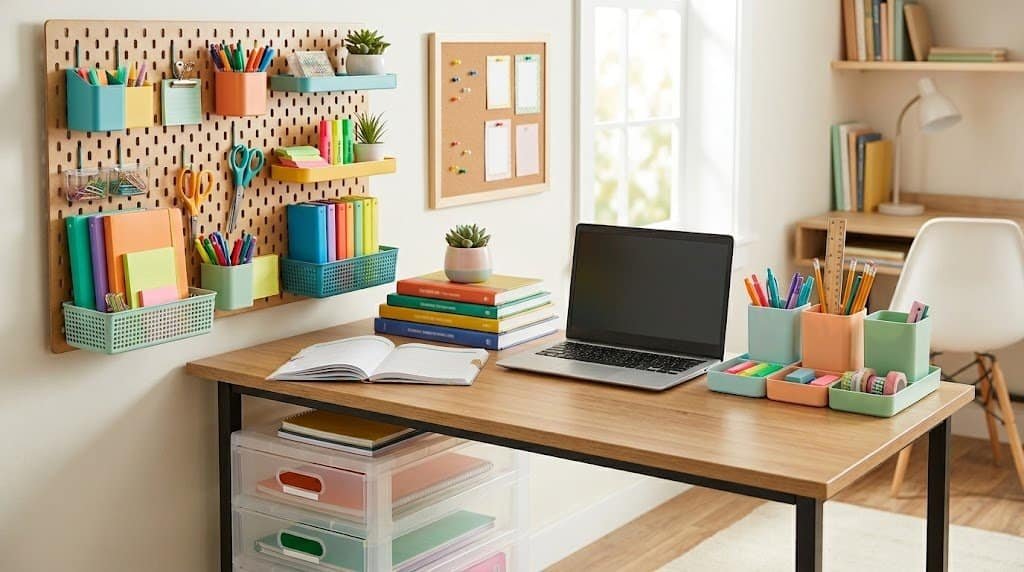
The best desk organization ideas can completely transform how you study and work. Whether you’re heading back to school or just refreshing your setup, a clean and well-organized desk helps you stay focused, reduce stress, and make the most of every study session.
I’ve organized study desks in dorm rooms, bedroom corners, shared apartments, and a kitchen table that had to double as a homework station. The setup that finally worked — for me, and for the students I’ve helped — had nothing to do with aesthetic. It had to do with zones: one place for active supplies, one place for papers, one place for tech. Clear the rest.
Here are 20 desk organization ideas that actually make studying easier — not just prettier.
What “Desk Organization” Actually Means for Students
What it IS:
- A system that reduces friction (you can find what you need in under 10 seconds)
- Vertical storage that doesn’t eat into workspace
- Designated spots for charging, paper, and daily supplies
- Something you can maintain through finals week, not just week one
What it ISN’T:
- A rainbow-coded aesthetic that takes 30 minutes to reset
- Buying $200 worth of matching acrylic organizers
- Organizing once and never touching it again
The trick is: design for your messiest day, not your most organized one.
How Do I Organize My Desk for School?
1. The 3-Zone Desk System
Best for: All students | any desk size | zero cost to implement
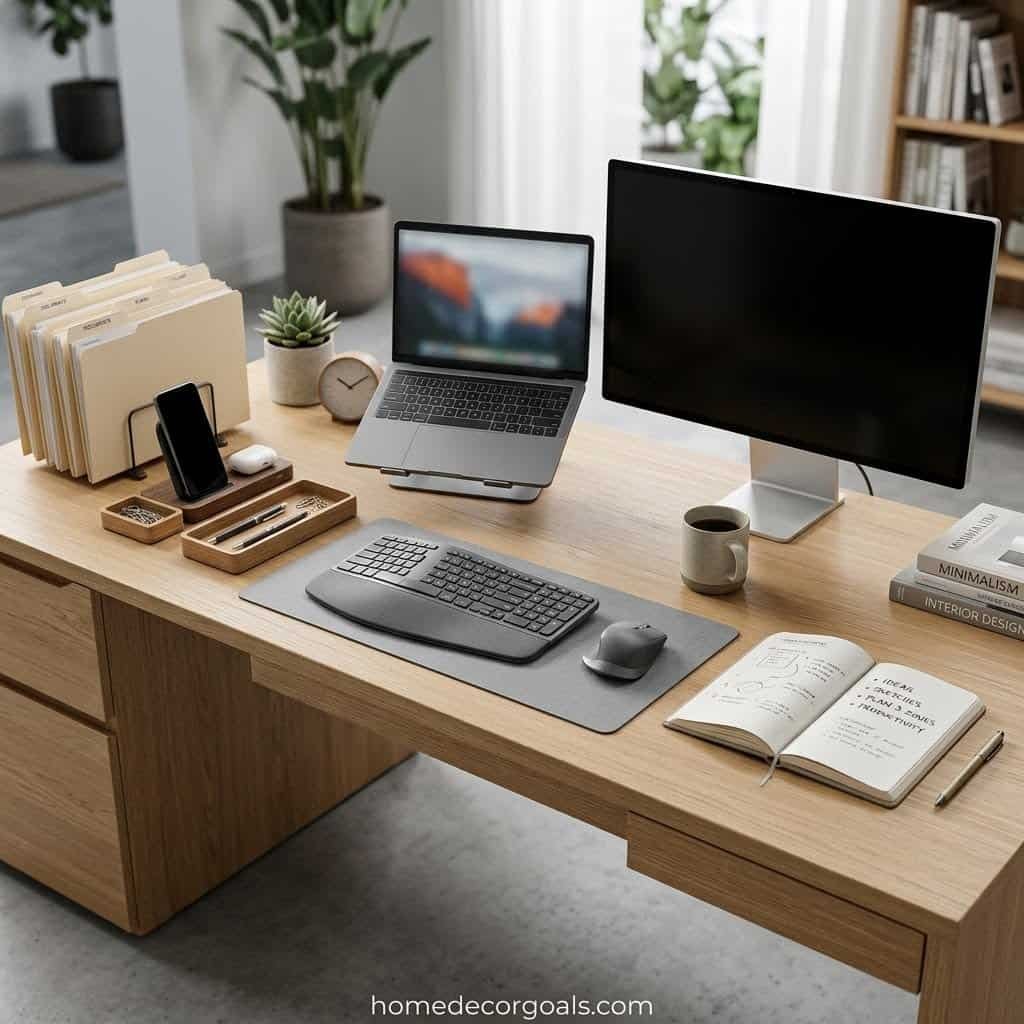
Before you buy anything, define three physical zones on your desk:
- Active zone (center): laptop, current notebook, pen cup — nothing else
- Reference zone (right side): whatever you’re working from — textbook, notes, planner
- Landing zone (left or a tray): where new things go until sorted — mail, papers, receipts
This costs $0 and eliminates 80% of desk chaos on its own.
💡 Pro Tip: If your desk doesn’t have enough surface for three zones, get a monitor riser — it creates a “shelf” underneath for the reference zone without adding footprint.
desk organization ideas
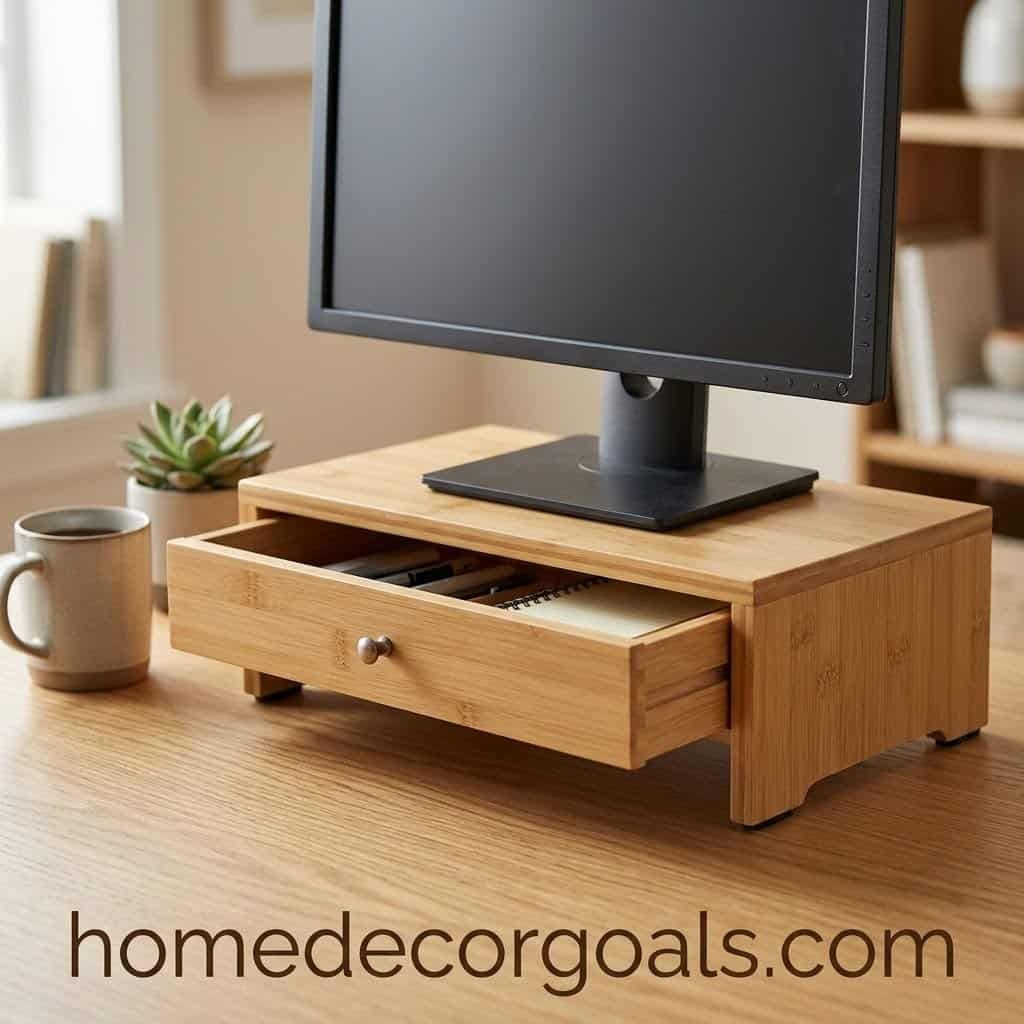
2. Monitor Riser With Drawer Storage
Best for: Laptop or desktop users | limited desk space | $20–$45
A $22 monitor riser (Amazon) elevates your screen to eye level (reduces neck strain) and creates a storage shelf underneath. Most have a small pull-out drawer for pens, sticky notes, and USB drives.
- Wood risers: $28–$45 (more aesthetic)
- Acrylic risers: $22–$35 (modern look)
- Bamboo risers: $25–$38 (sustainable, sturdy)
According to a 2024 ASID report, ergonomic desk setup improvements — including monitor height — improved student focus times by an average of 23 minutes per study session.
Estimated cost: $22–$45 | Difficulty: Easy | Time: 10 minutes
desk organization ideas
3. Grid Panel or Pegboard Above the Desk
Best for: Wall space above the desk | maximum vertical storage | $18–$55
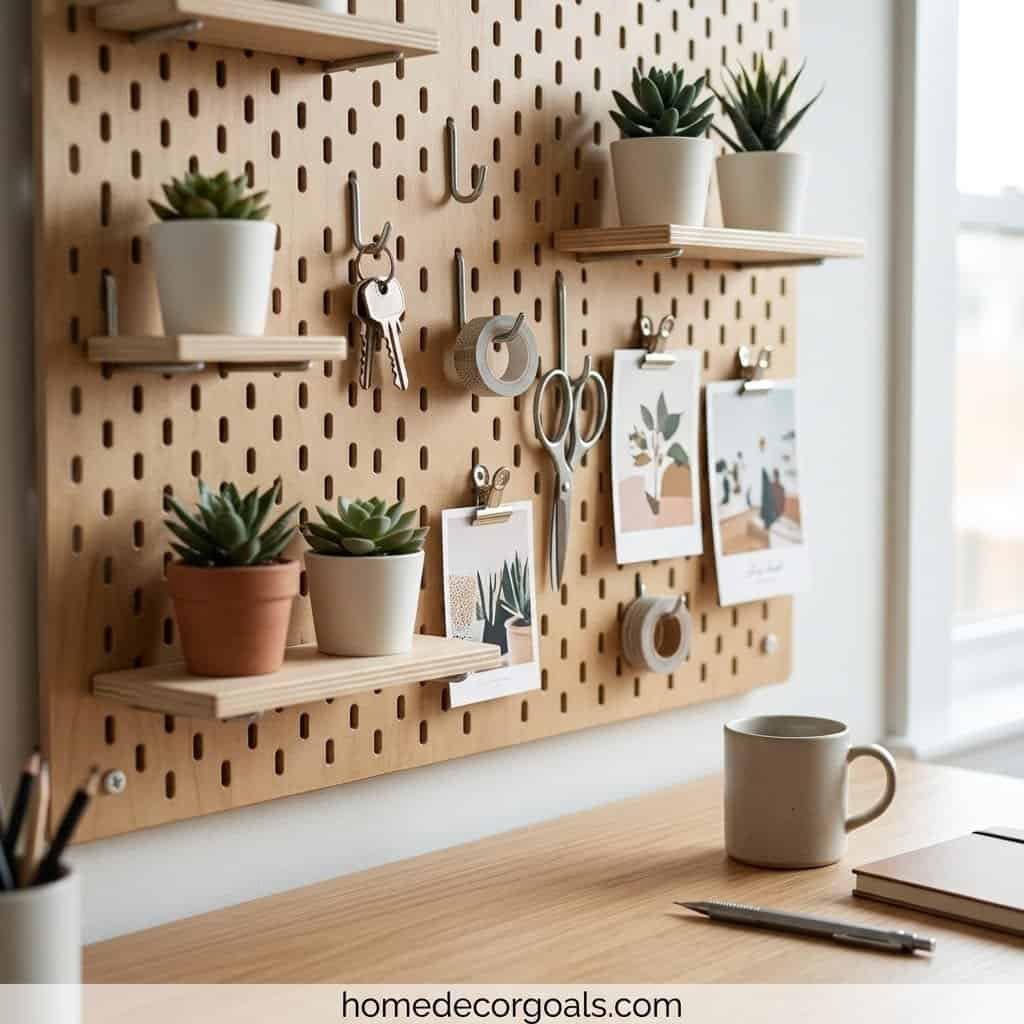
A metal grid panel ($18–$22 on Amazon, 12×18 inches) mounted above the desk with Command strips becomes a fully modular organizer. Add S-hooks for scissors and tape, small wire baskets for supplies, binder clips for notes, and clip-on photo holders for your schedule.
Done right, this looks intentional and functional. Done wrong, it looks like a storage unit explosion. Key: leave 20–30% of the grid empty.
Estimated cost: $25–$55 with accessories | Difficulty: Easy | Time: 45 minutes
4. Subject-Color-Coded Notebook and Folder System
Best for: Multi-subject students | paper management | $15–$35
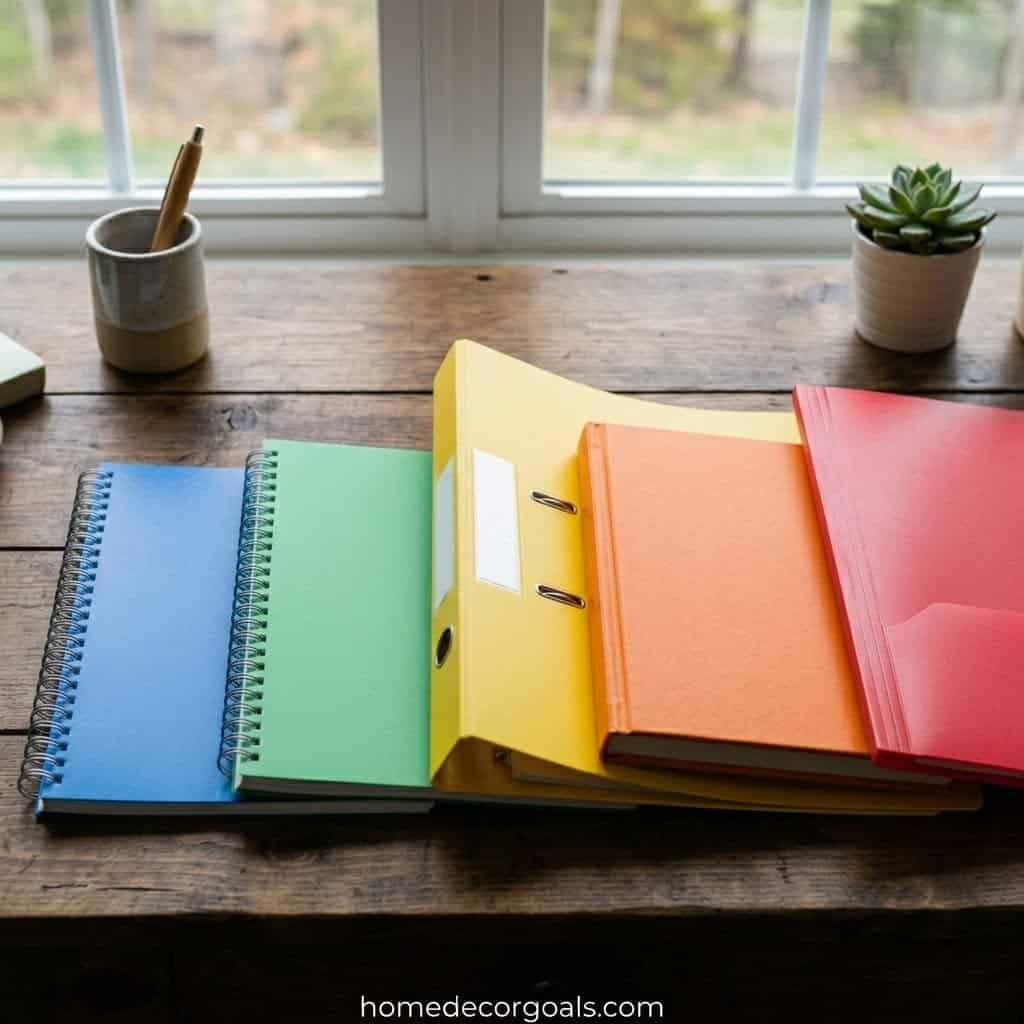
Pick one color per subject. Every folder, notebook, and sticky note for that subject is that color. When you sit down to study calculus, you grab blue. English is green. Done.
This sounds obvious. It’s underrated because most students don’t commit to it. According to a 2023 study from the University of British Columbia, color-coded note systems improved information retrieval speed by 31% compared to unlabeled systems.
- Five Subject spiral notebook (one per class): $4–$6 each at Target
- Plastic folders: $0.59–$1 each at Staples
- Total for 5 subjects: $22–$35
Estimated cost: $15–$35 | Difficulty: Easy
5. Cable Management Box for Tech Clutter
Best for: Students with multiple devices | desk surfaces | $18–$35
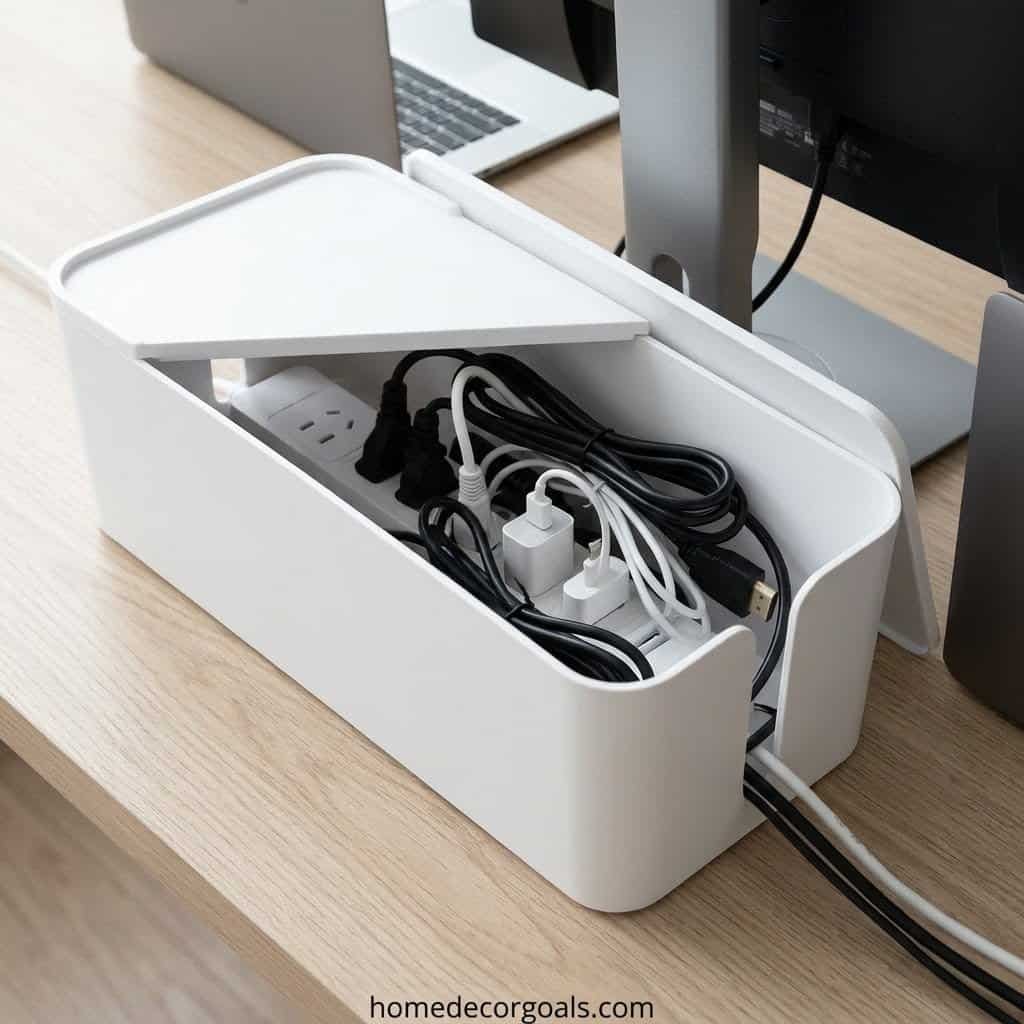
A cable management box ($18–$25, Amazon) holds your power strip inside it with only one cord exiting. All your charger cords plug in, disappear into the box, and only the tips stick out through small holes. Desk surface goes from tangled to clean instantly.
Estimated cost: $18–$35 | Difficulty: Easy | Time: 20 minutes
💡 Pro Tip: Label each charger cord with a small washi tape flag and a marker. When you’re half-asleep at midnight and need to unplug just your laptop, you’ll thank yourself.
6. Stackable Tray Organizer for Papers
Best for: Students with heavy paper loads | desk right sides | $15–$28
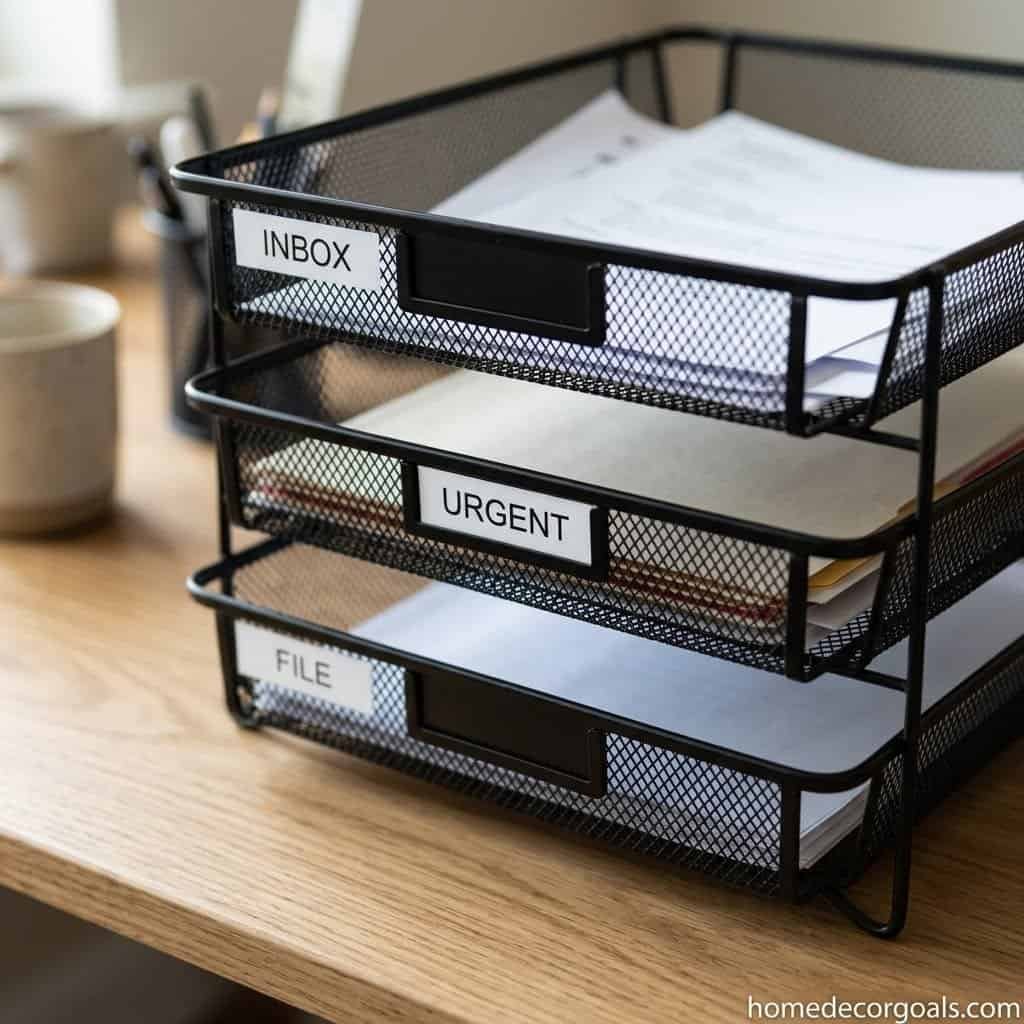
A 3-tier stackable letter tray ($15–$22, Amazon or Staples) sorts papers into: To Do / In Progress / Done. Weekly, clear the Done tray into a binder or recycling.
The mistake most people make is using one tray and calling it “the pile.” The pile grows. The pile wins. Three trays with labeled slots don’t grow.
Estimated cost: $15–$28 | Difficulty: Easy
7. Labeled Pen Cup System (One Per Type)
Best for: All students | desktop supply organization | $8–$20
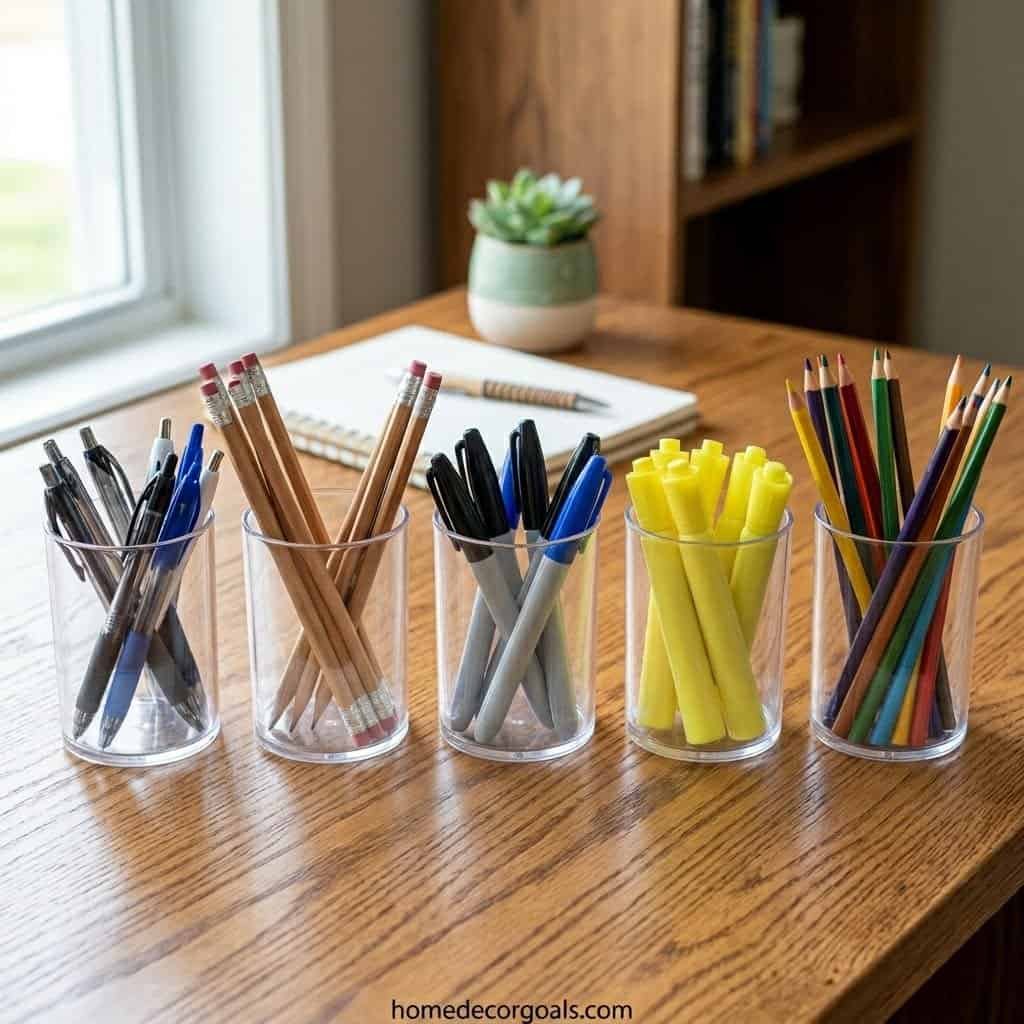
Not one cup for everything — one cup per category:
- Writing tools: pens, pencils, highlighters
- Long tools: scissors, rulers, letter openers
- Miscellaneous: USB drives, erasers, small items
Three cups ($3–$5 each, Target dollar section or Amazon). Label them with a label maker ($14, Amazon) or washi tape + permanent marker.
Estimated cost: $8–$20 | Difficulty: Easy
8. Under-Desk Drawer Unit
Best for: Desks without built-in storage | apartment students | $35–$65
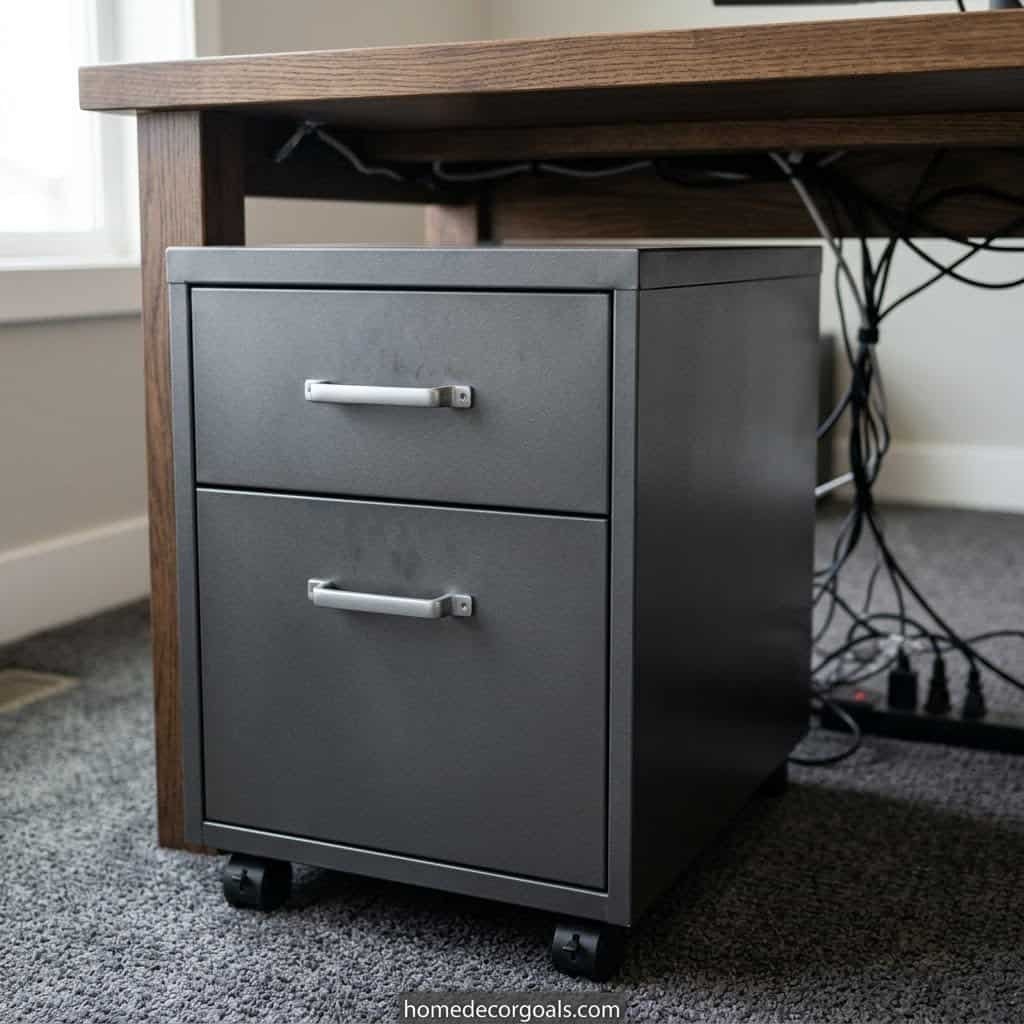
A rolling 3-drawer unit ($35–$55, Amazon or IKEA ALEX dupe) fits under most desks and provides actual drawer storage for notebooks, stationery, and files. Roll it out when you need it; tuck it back to reclaim legroom.
- Amazon 3-drawer rolling cart: $35–$45
- IKEA ALEX drawer unit: $129 (overkill for students, but lasts years)
- Target Room Essentials 3-drawer: $45–$55
Estimated cost: $35–$65 | Difficulty: Easy | Time: 20 minutes assembly
9. Magnetic Weekly Planner (Dry-Erase)
Best for: Visual learners | schedule management | $12–$25
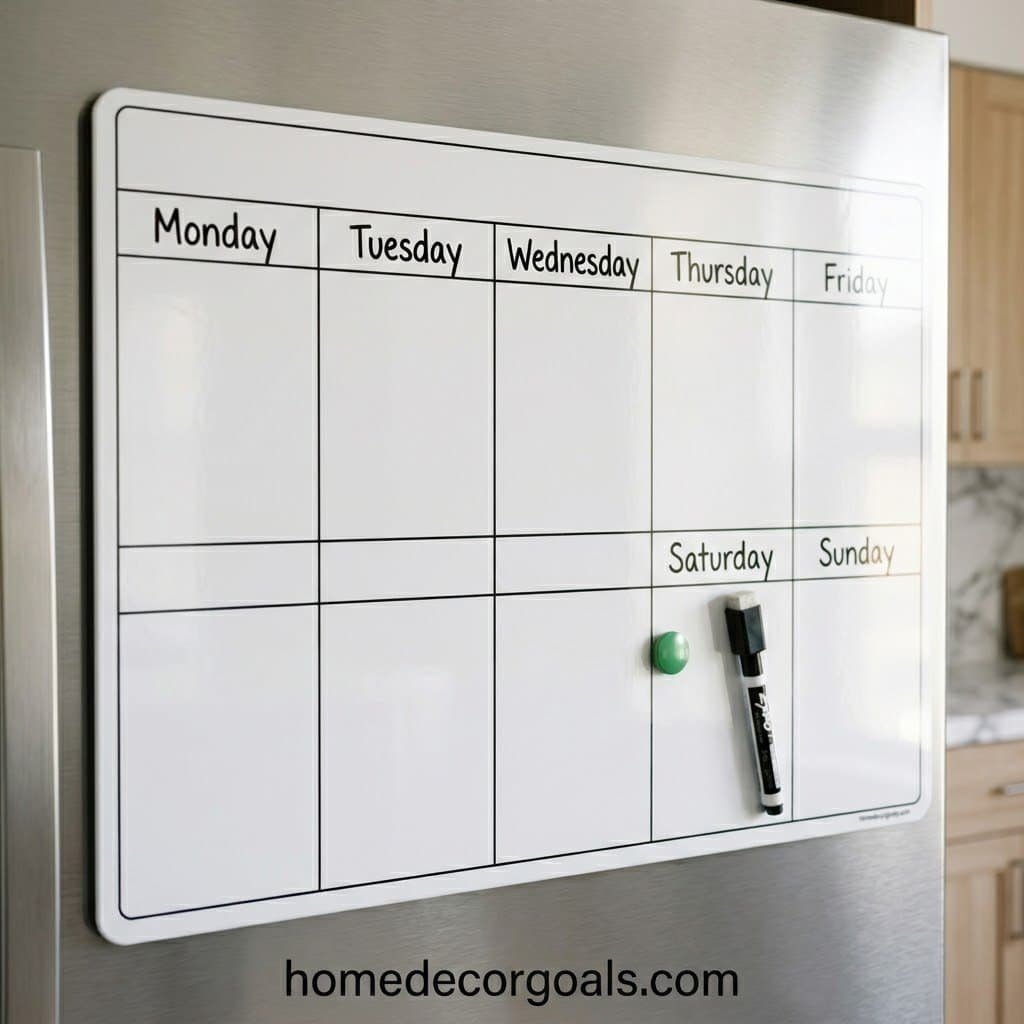
A dry-erase weekly calendar ($12–$18 on Amazon, 17×12 inches) stuck to the wall beside the desk or on the side of a mini fridge gives a full-week view at a glance. More useful than a phone calendar for seeing the week’s weight.
Estimated cost: $12–$25 | Difficulty: Easy
10. Desk Pad / Mat as a Visual Anchor
Best for: All desks | defining the workspace | $12–$35
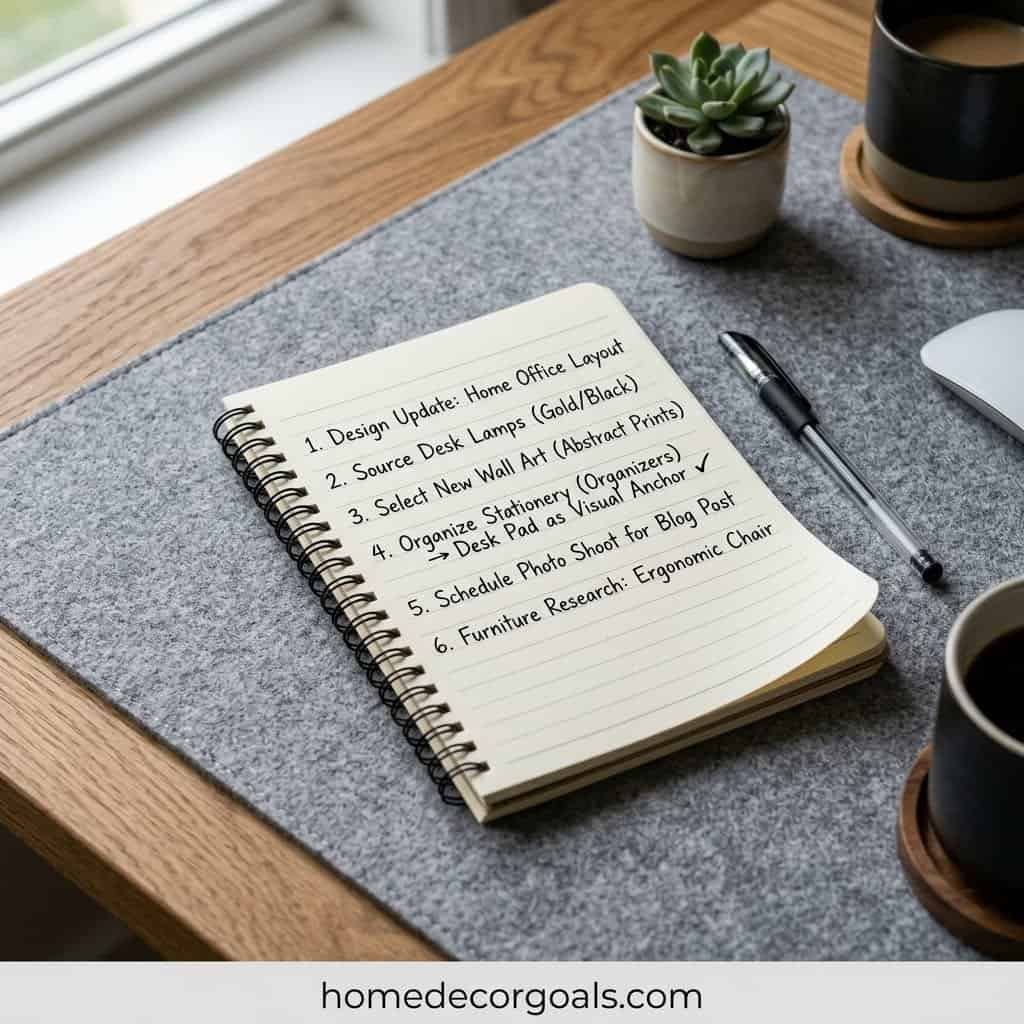
A large desk pad ($12–$28, Amazon) in one color defines the active workspace visually. It protects the desk surface, provides a smooth writing area, and makes the whole setup look more intentional.
- Black or dark green are the most forgiving colors (don’t show pen marks)
- Leather-look pads: $22–$35 (last longer)
- Simple PVC pads: $12–$18
Estimated cost: $12–$35 | Difficulty: Easy | Time: 2 minutes
💡 Pro Tip: A desk pad also functions as a visual “off switch.” When you close your laptop and the desk pad is clear, the workday is done. Psychological boundary between study and rest.
11. Floating Shelf Above the Desk
Best for: Bedroom desks | vertical space users | $20–$45
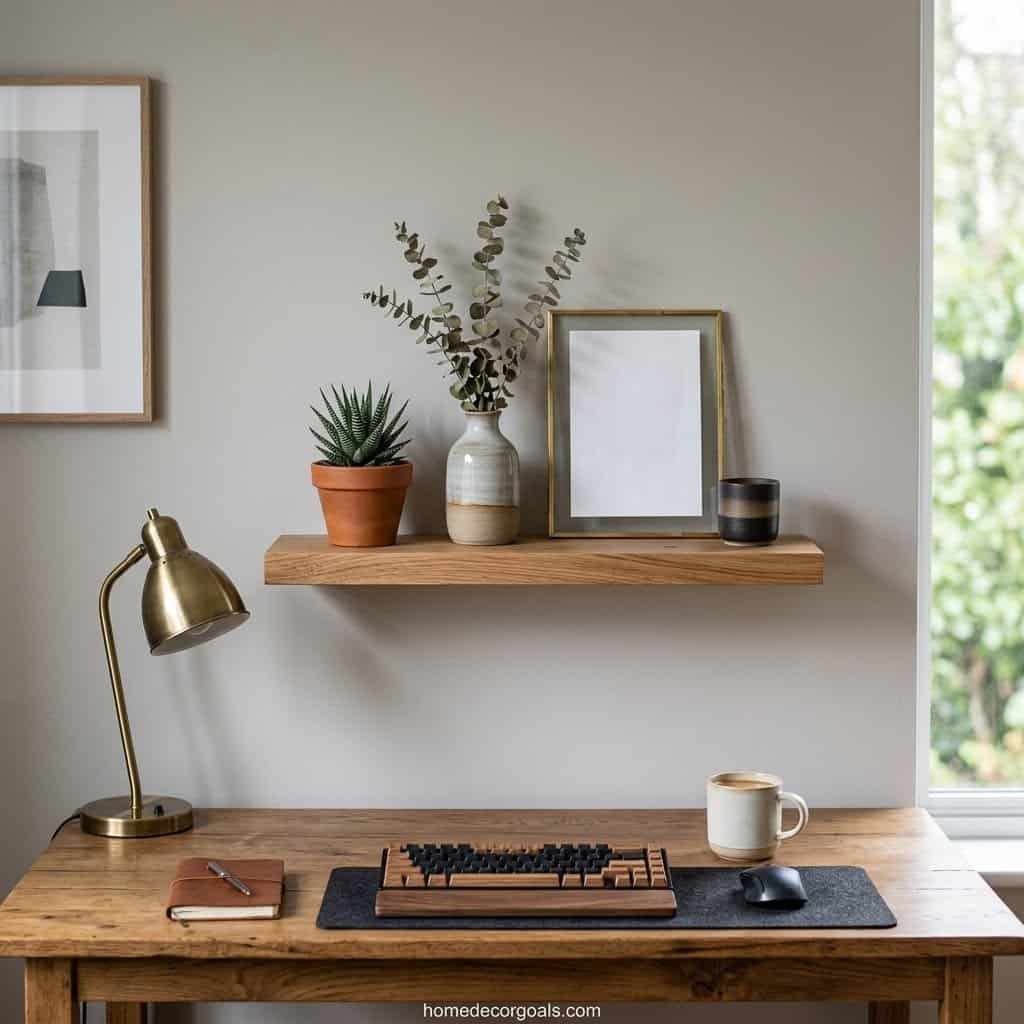
A 24-inch floating shelf mounted 12 inches above the desk ($20–$35, IKEA or Amazon) creates a second tier for books, speakers, a plant, and decorative items — keeping the desktop clear.
- IKEA LACK shelf: $12.99 (requires wall anchors)
- Command adhesive shelf: $18–$25 (no-drill, holds up to 15 lbs)
- Amazon floating shelf with brackets: $20–$35
Estimated cost: $20–$45 | Difficulty: Easy–Medium | Time: 30–45 minutes
12. Charging Station Tray
Best for: Multi-device students | nightstand or desk corner | $15–$35
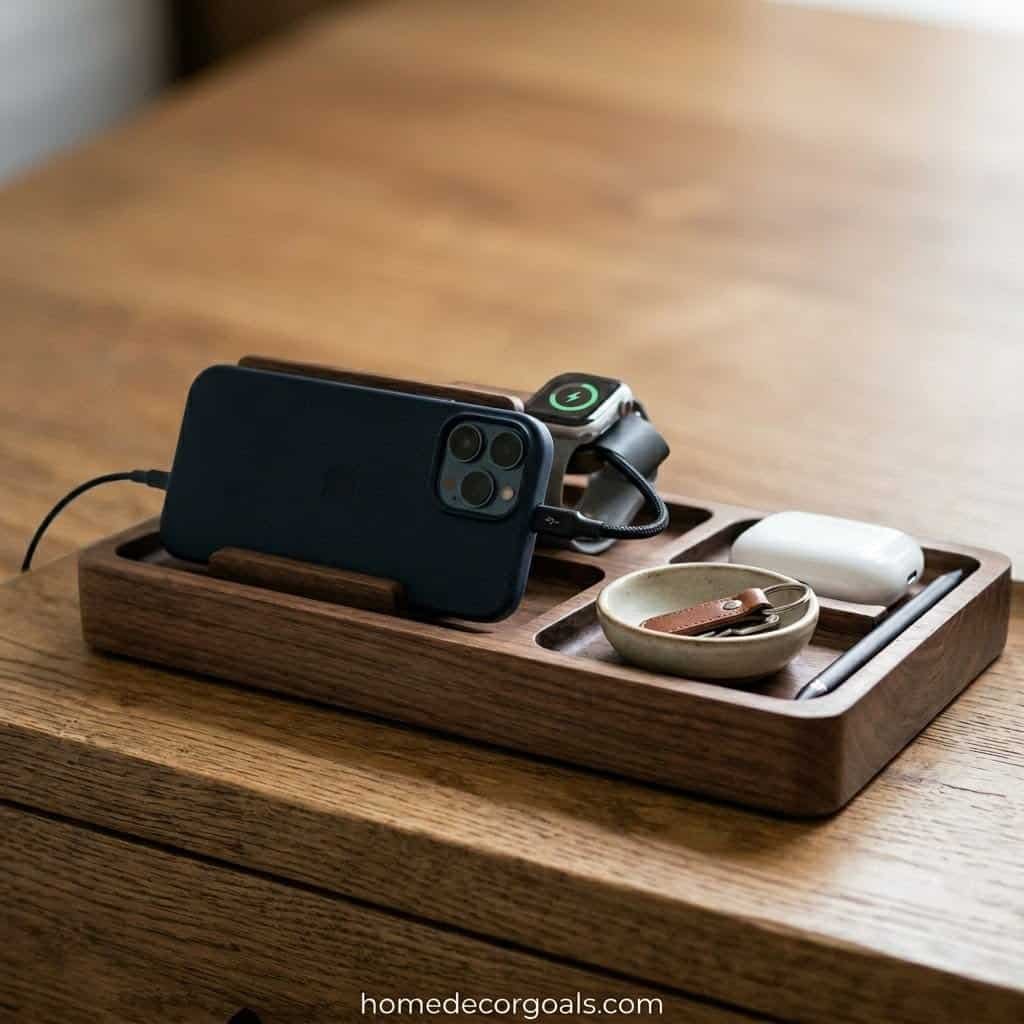
A small catchall tray ($12–$18, Amazon or Target) designated only for devices. Phone, watch, earbuds — everything charges here. Nothing else goes in the tray. When it’s full, you have a charging problem to solve, not an organization problem.
Estimated cost: $15–$35 | Difficulty: Easy
13. Binder + Label System for Completed Work
Best for: Students who keep papers | end-of-semester reference | $15–$30
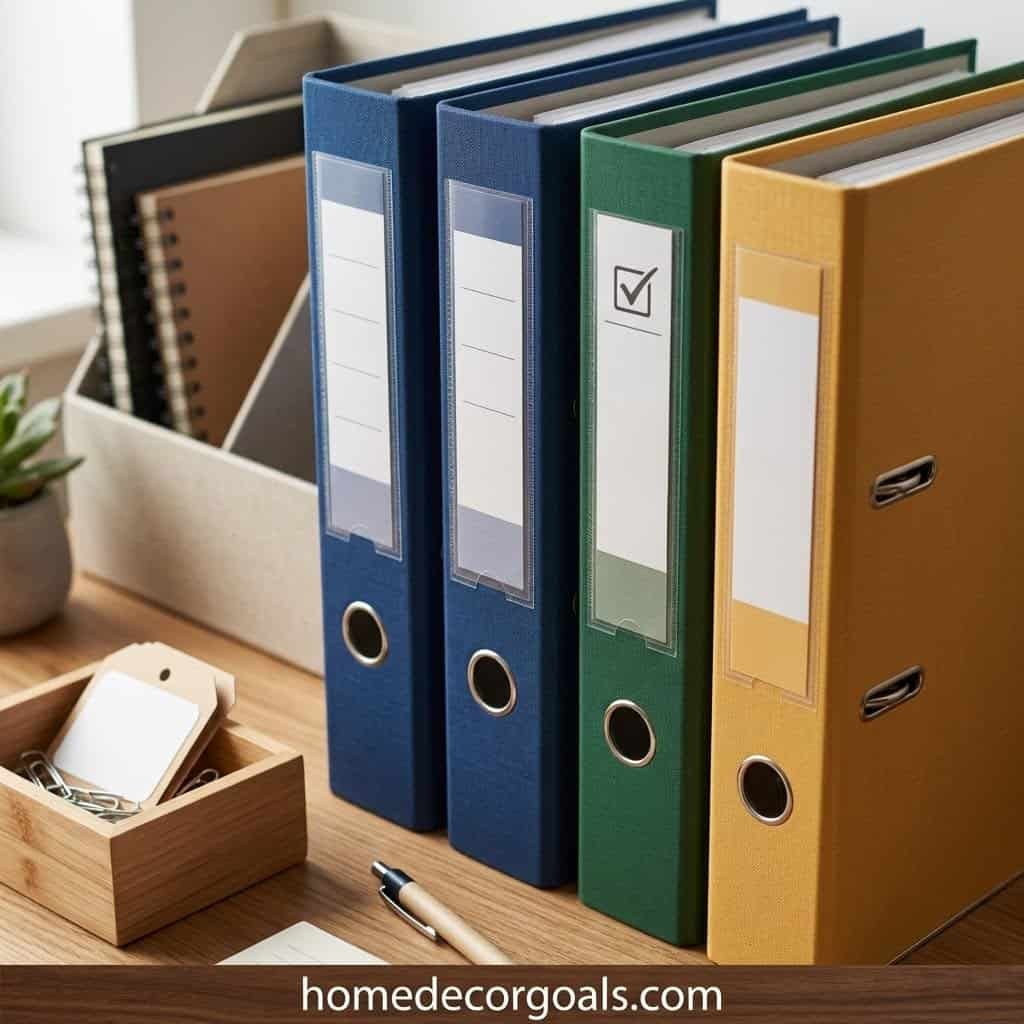
One 1-inch binder per semester, divided by subject with labeled tab dividers. Filed weekly, it takes three minutes. At finals time, you have everything. Most students don’t do this and spend finals week reconstructing notes from memory.
Estimated cost: $15–$30 | Difficulty: Easy
14. Laptop Stand + External Keyboard Combo
Best for: Laptop users studying for more than 2 hours | ergonomic setup | $35–$85
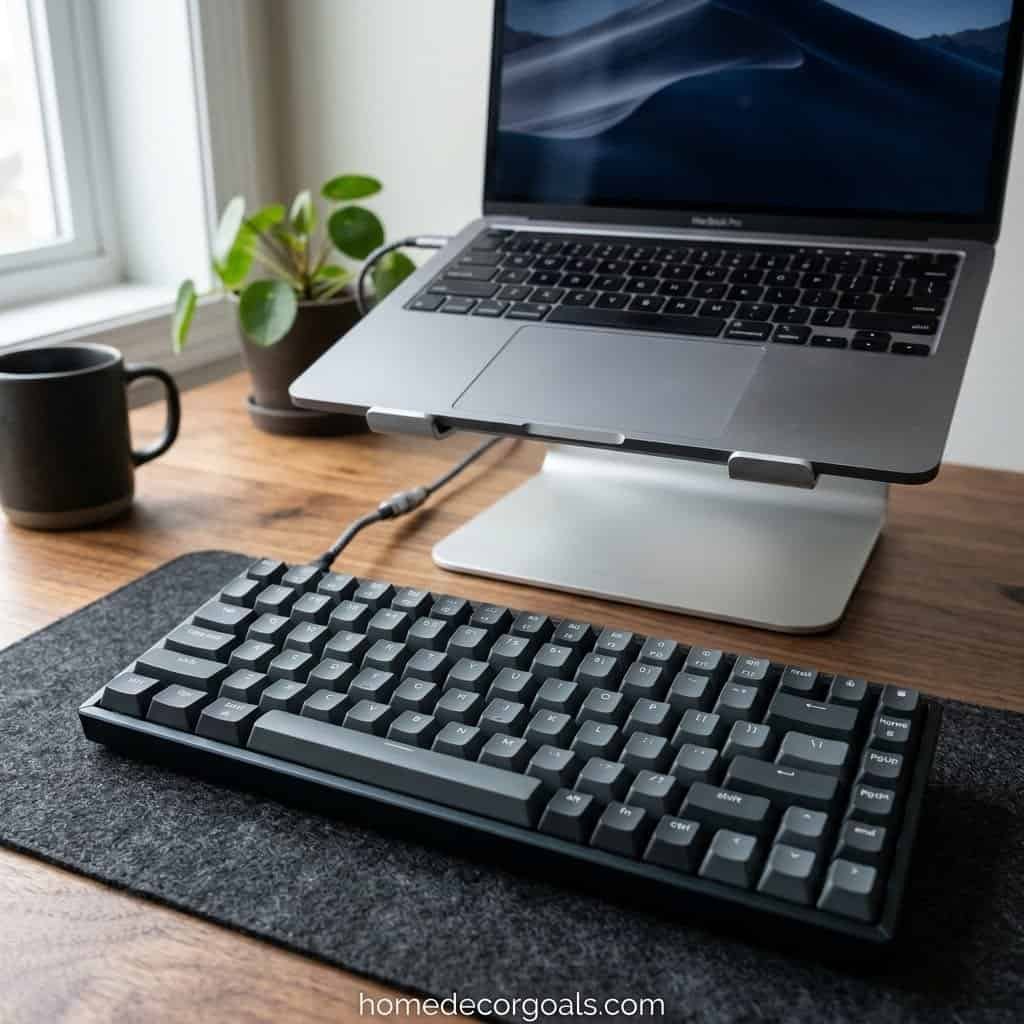
A laptop stand ($18–$28) raises the screen and forces you to add an external keyboard ($25–$45, Amazon Basics). This setup reduces neck strain and — more relevant to studying — it makes your laptop feel like a workstation, not entertainment. That psychological shift actually matters.
Estimated cost: $35–$85 | Difficulty: Easy
15. Cork Strip or Memo Board for Active To-Dos
Best for: Visual learners | beside or above the desk | $10–$22
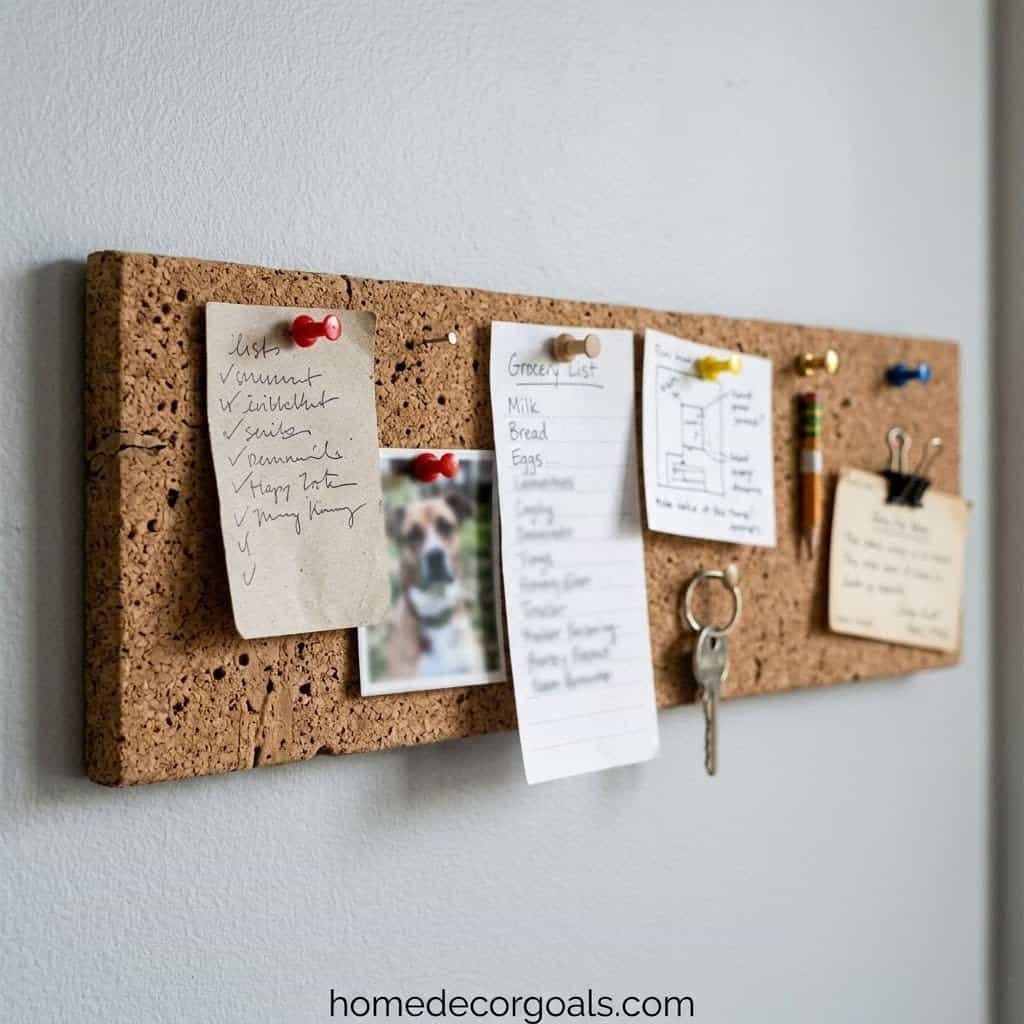
A self-adhesive cork strip (12×48 inches, $12–$18, Amazon) pinned with active assignments, due dates, and notes keeps your most urgent items visible without cluttering the desk surface.
Estimated cost: $10–$22 | Difficulty: Easy | Time: 15 minutes
16. Book Ends for Textbook Storage
Best for: Desk with open shelf space | textbook access | $10–$22
Adjustable metal bookends ($10–$18, Amazon) at the back edge of the desk hold 4–6 textbooks upright and accessible. Spine-out, in subject-color order. $12 and three minutes.
Estimated cost: $10–$22 | Difficulty: Easy

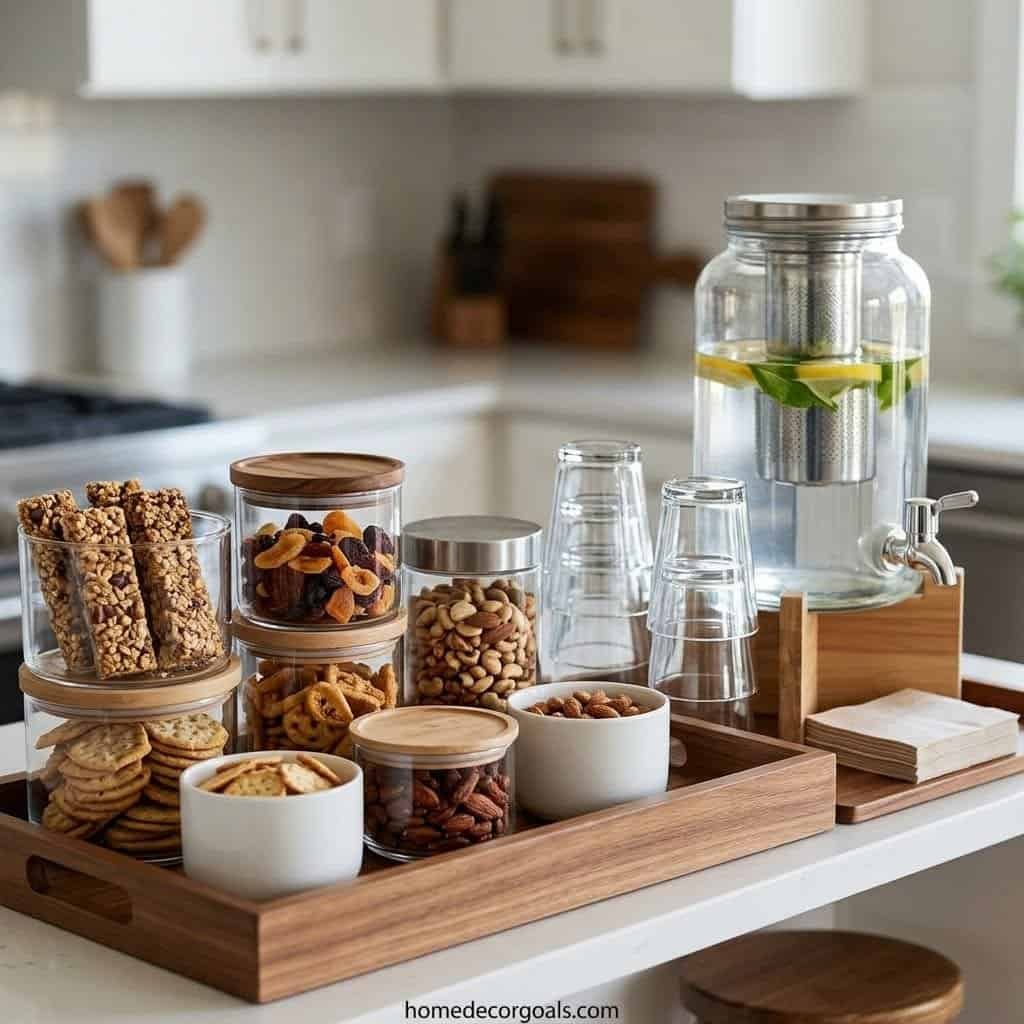
17. Dedicated Snack + Water Zone
Best for: Long study sessions | desk corners | $0–$15
Sounds silly. Isn’t. A small tray or bowl designated for a water bottle and a snack removes the mental interruption of getting up every 45 minutes. Stay at the desk longer. This is the “homework station” upgrade most organization articles skip.
Estimated cost: $0–$15 | Difficulty: Easy
💡 Pro Tip: Keep a reusable water bottle at the desk permanently. Hydration has a direct, documented effect on cognitive performance — a 2022 study in Frontiers in Human Neuroscience found that mild dehydration (as little as 1–2% body weight) impairs attention and memory.
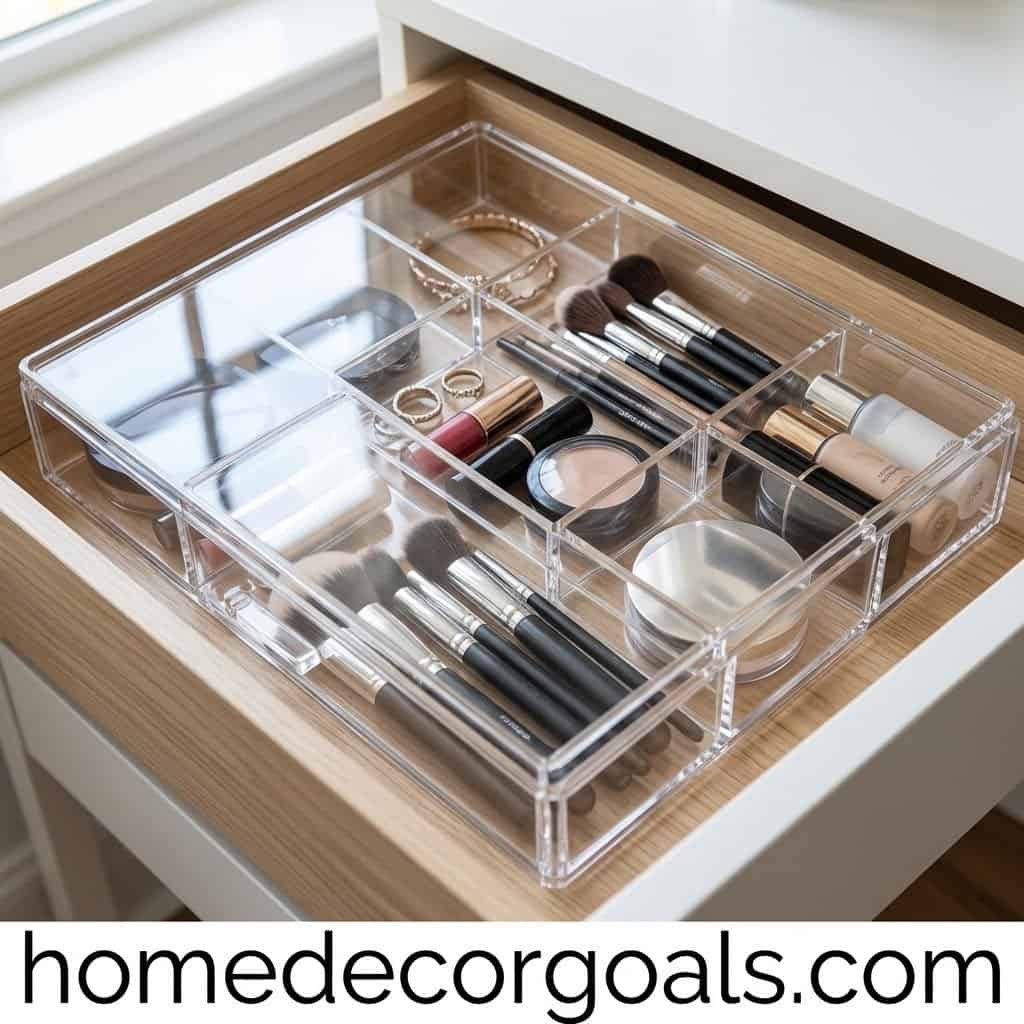
18. Acrylic Drawer Organizer for the Top Drawer
Best for: Students with desk drawers | small item control | $12–$28
An acrylic drawer organizer insert ($12–$22, Amazon) divides the top drawer into sections for pens, erasers, tape, sticky notes, and chargers. Without it, every drawer becomes a black hole.
Estimated cost: $12–$28 | Difficulty: Easy | Time: 10 minutes
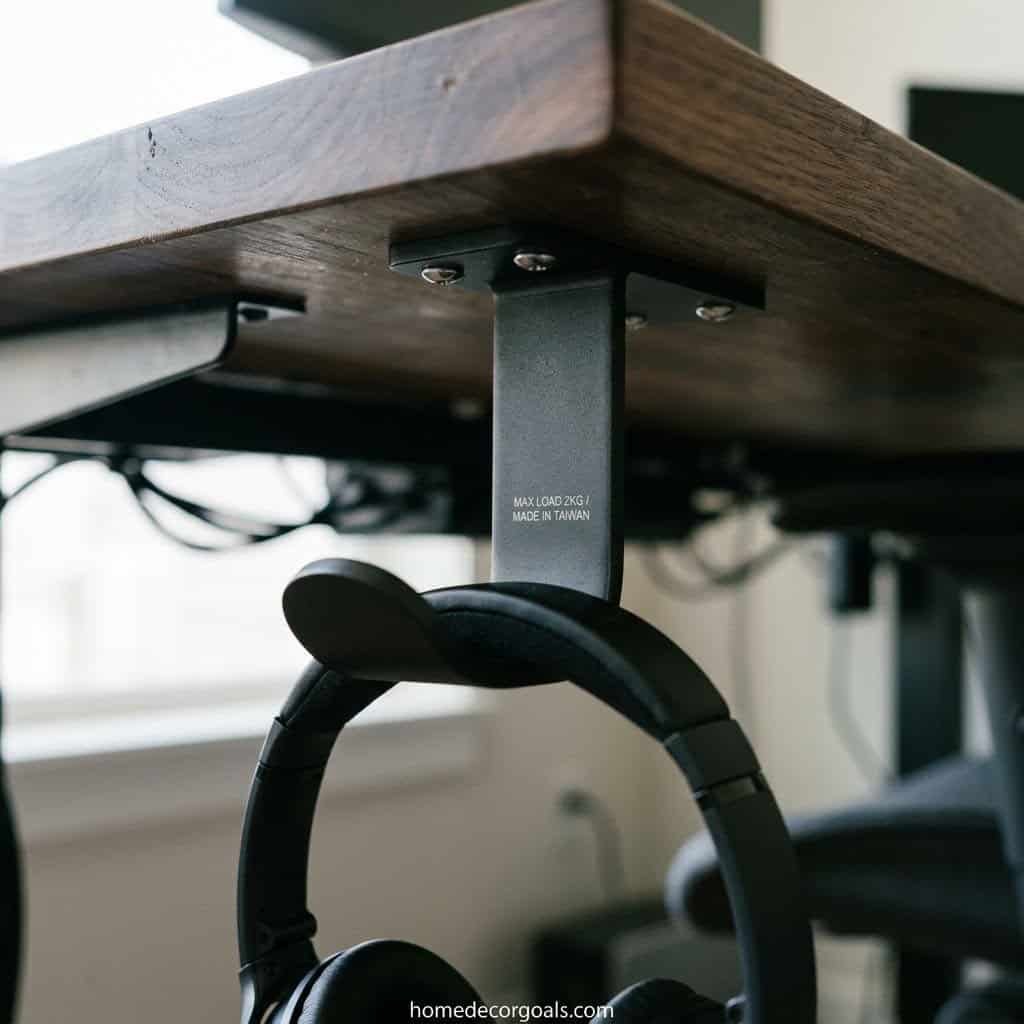
19. Headphone Hook (Under-Desk Mount)
Best for: Gamers and music-dependent studiers | desk clutter | $8–$15
An under-desk headphone hook ($8–$12, Amazon) keeps headphones off the desk surface. They’re always there. They never tangle with chargers. $10 and 10 minutes.
Estimated cost: $8–$15 | Difficulty: Easy
20. Weekly Reset Routine (The Non-Product Idea)
Best for: All students | sustainable organization | $0
Every Sunday, 10 minutes: clear the desk completely, file completed papers, replace used supplies, wipe the surface, reset zones. This is what separates students whose desk organization lasts a semester from those who abandon it by week three.
No product can substitute for a weekly reset. In my experience, this single habit matters more than any organizer you buy.
Estimated cost: $0 | Difficulty: Medium (habit formation) | Time: 10 minutes/week

Budget vs. Mid-Range vs. Full Setup Comparison
| Option | Cost Range | Pros | Cons | Best For |
|---|---|---|---|---|
| Budget Setup | $40–$80 | Covers the essentials, fast to implement | Less cohesive visually | Dorm rooms, first-year students |
| Mid-Range Setup | $80–$150 | Ergonomic additions, visual consistency | Requires planning ahead | Students staying 2+ years |
| Full Productivity Setup | $150–$300 | Laptop stand, full lighting, all zones covered | Significant upfront investment | Home office students, remote learners |
Common Desk Organization Mistakes
The biggest mistake most students make is organizing by aesthetic instead of by workflow. A beautiful desk that doesn’t match how you actually work will be destroyed by Thursday of week one.
Other mistakes:
- Too many small bins and organizers (they all look like clutter from 3 feet away)
- Not clearing the desk at the end of each study session (it compounds)
- Putting items “close enough” to their spot instead of in it
- Buying a system designed for an office worker, not a student with 5 subjects and a laptop
If I’m being real — the acrylic organizer sets that go viral on TikTok every August are pretty and impractical. They look organized for exactly as long as it takes you to use something once.
FAQ: Desk Organization Ideas for Students
Q: How do I keep my desk organized during the school year? A: The weekly reset (Sunday, 10 minutes) is the only thing that sustains organization through a full semester. Set up good zones in week one, then reset them weekly. Without a reset routine, any system collapses by October.
Q: What is the most useful desk organizer for students? A: A monitor riser with a built-in drawer ($22–$45). It improves ergonomics, creates hidden storage, and clears the desk surface — three problems solved with one purchase.
Q: How do I organize a small desk with limited space? A: Go vertical. A grid panel or pegboard above the desk, a monitor riser for a second tier, and keeping only the current project on the surface. The 3-zone system works on any size desk — even a kitchen table.
Q: How much should I budget for desk organization? A: $40–$80 covers the essentials for most students. You don’t need more than that. The $150–$200 setups look better in photos; the $60 setups work just as well in practice.
Q: What’s the best way to manage cables and chargers on a study desk? A: A cable management box ($18–$25) for the power strip, cable clips ($8, adhesive) along the desk edge for individual cords, and labeled washi tape flags on each charger. Total cost: under $30.
Q: How do I organize school papers on my desk? A: A 3-tier stackable tray (To Do / In Progress / Done) for active papers, and a binder-per-semester system for completed work. Review and file papers every Friday — takes 5 minutes and prevents the pile.
Q: What desk organization products are actually worth buying? A: Monitor riser ($22–$45), cable management box ($18–$25), grid panel above the desk ($18–$22), and a 3-drawer rolling cart if your desk has no storage ($35–$55). Everything else is optional.
Q: How do I organize a desk in a dorm room with a roommate? A: Your desk is your zone — you don’t need your roommate’s cooperation. Use vertical storage above your desk, keep a small footprint, and resist the urge to spread onto shared surfaces.
Q: Can I organize a desk without spending a lot of money? A: Yes. The 3-zone system costs $0. Repurpose mason jars or mugs as pen holders. Use cereal boxes covered in paper as drawer dividers. The organizational habit matters infinitely more than the products.
Q: What should always be on a study desk vs. stored away? A: Always on desk: laptop or notebook (whichever you’re using), one pen/pencil, current planner or calendar, water bottle. Always stored: completed work, extra supplies, snacks, phone (face down minimum).
Q: Is a desk pad worth buying for students? A: Yes — a $12–$22 desk pad is one of the highest-value-per-dollar purchases for any student. It protects the surface, creates a visual workspace boundary, and makes the whole setup look more intentional.
Q: How early should I set up my study desk before school starts? A: At least one week before classes — and practice using it. A desk setup that hasn’t been tested doesn’t actually work; you’ll discover the flaws on the first heavy study day.
Read More: